Lessons from the Chandler Dust Storm 2026: Preparing Phoenix Homes for Category 5 Haboobs
When the Sky Turned Black Over the East Valley
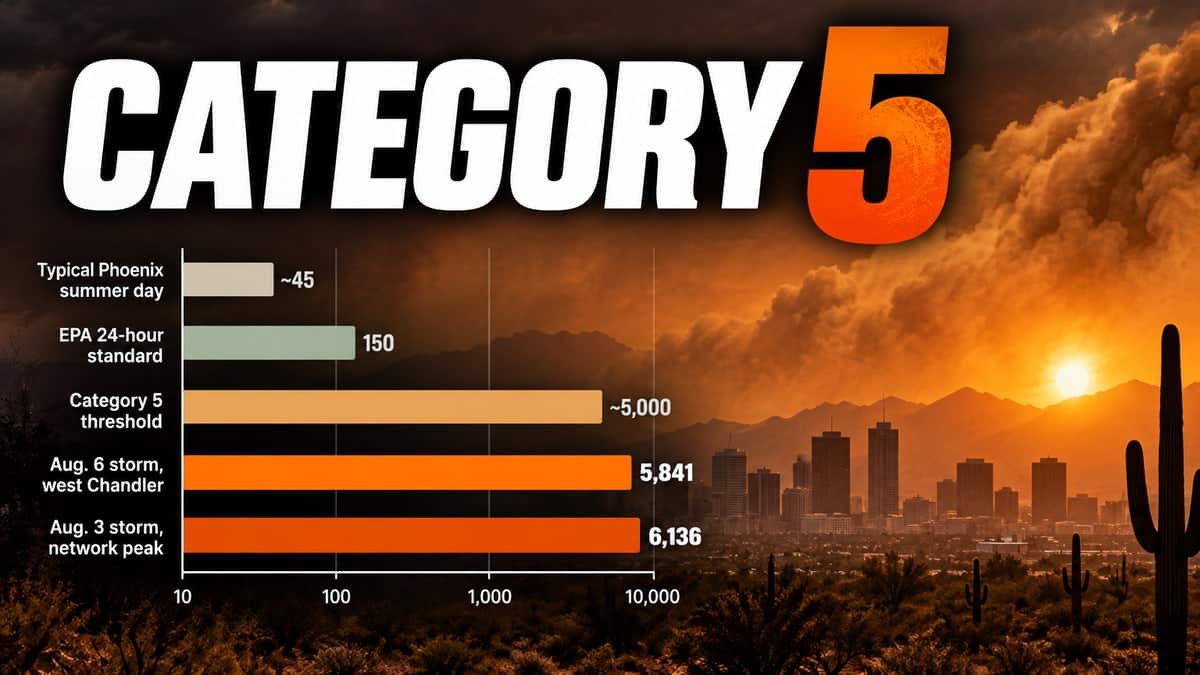
I remember standing on my back porch in Mesa a few years ago, watching a wall of dust roll toward us like something out of a disaster movie. That was a decent-sized haboob, maybe a Category 2 or 3 on the informal scale some of us in the trades use. Then came the Chandler dust storm 2026. That was different. That was the one that made even the old-timers stop and take notice. Two Category 5 storms in one season, both tracking through the heart of Maricopa County, left a mark on homes across the valley that a lot of people are still dealing with.
If you own a house in Phoenix or anywhere in the East Valley, the Chandler dust storm 2026 was a wake-up call. It wasn't just about a little dirt on the car. The combination of wind speeds that hit close to 70 miles per hour and fine particulate matter, specifically PM10, created a sandblasting effect on everything in its path. Siding got etched. Window seals were compromised. Roof tiles lifted and shattered. And the dust got into places you would not believe.
Understanding the Scale of a Category 5 Haboob
For anyone who has not lived through one, a haboob is a massive wall of dust propelled by thunderstorm downdrafts. The Arizona Department of Environmental Quality tracks these events closely because of the air quality impact, but the damage to homes goes beyond just breathing problems. A Category 5 storm means visibility near zero, wind gusts that can peel back roofing, and a dust load so thick that it behaves almost like a low-grade abrasive spray.
After the 2026 storms, I talked to a painting contractor who was booked solid for six months. He told me the dust had stripped the clear coat off cars and left siding looking like it had been lightly sandblasted. That is the kind of dust damage that does not wash off with a garden hose. It requires a pressure washer with the right nozzle and pressure setting, especially if you have textured siding or older paint that has already started to fade.
Where the Dust Gets In
Most people think of dust as a surface nuisance. But after a Category 5 event, it is a penetrative problem. Here are the common entry points I saw in homes across Chandler, Gilbert, and Tempe after the 2026 storms:
- Window seals, Older rubber or foam seals can crack under the force of the wind, and once they do, fine dust pours into the frame cavity. Replacing seals is cheap compared to dealing with water damage later.
- Garage door, Even a small gap at the bottom lets in a shocking amount of dust. A good bottom seal and weatherstripping kit can make a big difference.
- HVAC system, This is the big one. The intake for your HVAC system can pull dust straight into the ductwork. After the Chandler dust storm 2026, I had to replace the air filter on my unit twice in one month. If you have a whole-house system, check the filter monthly after a major dust event.
- Solar panels, Dust buildup on solar panels can cut efficiency by 20 percent or more. And if the dust contains fine grit, it can scratch the glass surface over time, reducing their lifespan.
- Roof tiles, Lifted or cracked tiles need immediate attention. Water intrusion after the next rain is a real risk.
Exterior Maintenance After a Major Dust Storm
Exterior maintenance after a storm like this is not just about aesthetics. It is about protecting the envelope of your home. I have seen homes where the siding was so abraded that the paint started peeling within weeks. Once that happens, moisture can get behind the siding and cause rot or mold.
A pressure washer is your first line of defense for cleaning off the bulk of the dust, but you have to be smart about it. Using a wide fan tip and keeping the nozzle at least 12 inches away from the surface prevents etching. If you have a Simpson pressure washer, the adjustable pressure settings let you dial it down for softer surfaces like wood siding and up for concrete or brick. Kärcher makes some good electric models that are quiet and easy to maneuver, perfect for a weekend cleanup.
After washing, inspect the caulking around windows and doors. If it is cracked or pulling away, scrape it out and recaulk. That is one of those jobs that costs twenty dollars in materials but can save you thousands in water damage later.
The Role of Homeowners Insurance
One thing that surprised a lot of people after the 2026 storms was how homeowners insurance handled dust damage. Standard policies usually cover wind damage, but dust alone is often excluded unless it is accompanied by wind that causes structural damage. I had a neighbor whose claim was denied because the adjuster said the dust did not cause "direct physical loss." That is a tough lesson. If you have solar panels, check whether your policy covers dust-related efficiency loss. Some riders exist, but they are not common.
Air Quality and Health Considerations
The Arizona Department of Environmental Quality issued several advisories during the 2026 storms, warning that PM10 levels were hazardous. PM10 is the coarse particulate that can irritate the lungs and trigger asthma attacks. Maricopa County has some of the worst PM10 readings in the country during haboob season. After a storm, running your HVAC system on recirculate mode with a clean air filter is essential. Do not open windows to "air out" the house until the dust has settled and the outdoor air quality index drops below 100.
Long-Term Strategies for Dust-Prone Homes
If you live in Phoenix or the surrounding area, dust storms are not going away. The question is how to prepare. Here is what I have found works best after talking to contractors and homeowners who lived through the Chandler dust storm 2026 and the second storm that followed:
- Upgrade your air filter, MERV 13 or higher filters catch more fine dust. Change them every 30 to 60 days during dust season.
- Seal the garage, A rubber threshold seal and new weatherstripping on the garage door can cut down the dust that blows into the house through the interior door.
- Protect your roof, If you have tile roofing, check for loose tiles after every major wind event. Replace cracked tiles before the next storm.
- Wash solar panels gently, Use a pressure washer on a low setting or a soft brush with water. Avoid abrasive cleaners.
- Inspect window seals yearly, Sun and heat degrade rubber seals fast in Arizona. Replace them proactively if they feel brittle.
The Value of Professional Help
Some jobs are worth doing yourself, like changing an air filter or caulking a window. But for serious dust damage on siding or roof repairs, hiring a painting contractor or a roofer is money well spent. A professional painting contractor will know which primer and paint can stand up to the abrasive conditions of a haboob. They can also spot damage you might miss, like hairline cracks in stucco that will let moisture in during the monsoon rains.
I have also seen people try to clean their HVAC system with a leaf blower or a shop vac. That can push dust deeper into the ducts. A proper cleaning by an HVAC technician costs a couple hundred dollars but can prevent the dust from recirculating through your home for years.
Final Thoughts on Living With Dust
Living in the desert means living with dust. But the Chandler dust storm 2026 showed us that it is not just dust, it is a force of nature that can accelerate the wear and tear on your home in ways that add up fast. A little proactive exterior maintenance, the right equipment like a good pressure washer from Simpson or Kärcher, and a willingness to inspect your home after every storm can make the difference between a quick cleanup and a costly repair bill. The next big haboob will come. Be ready for it.